
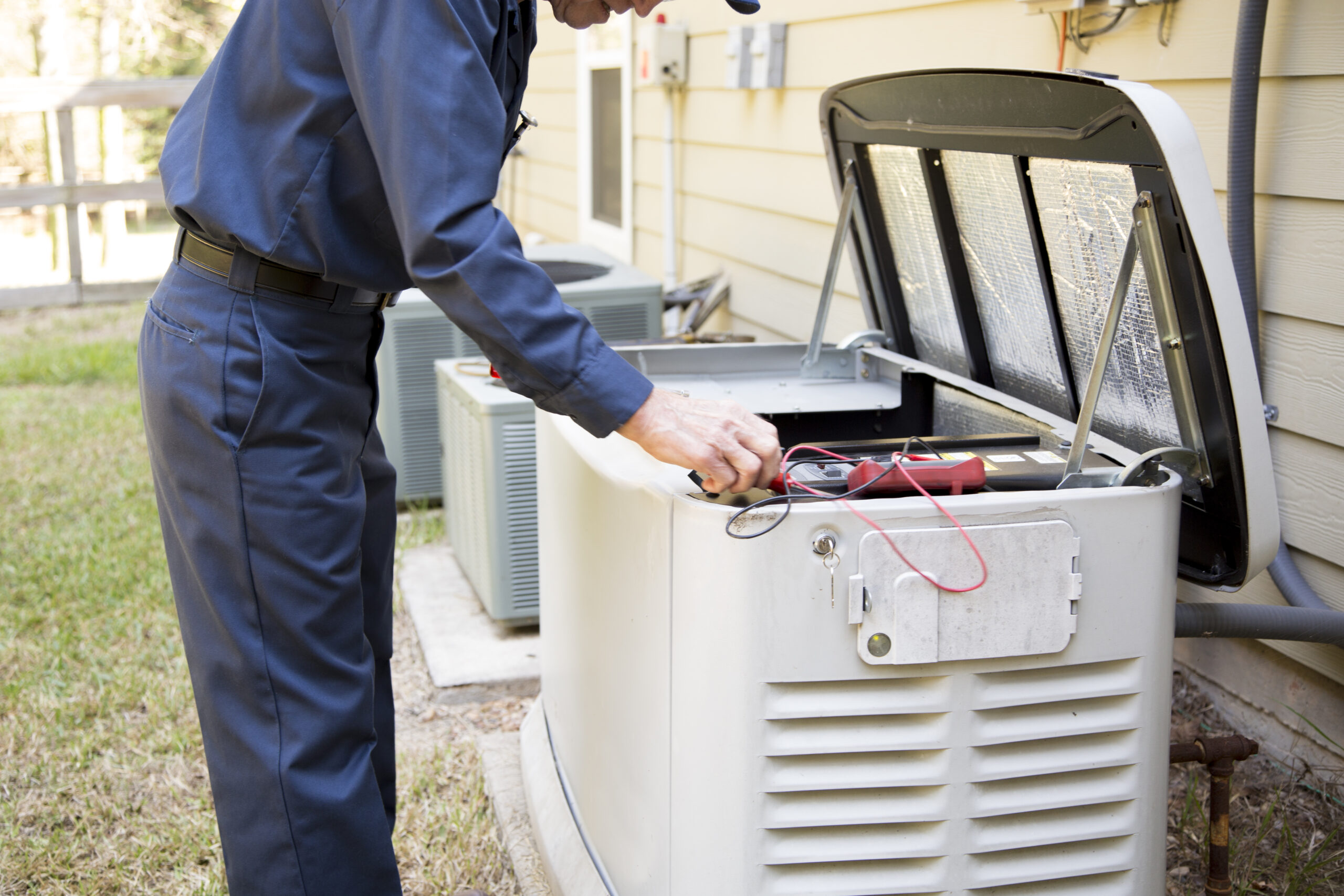
Choosing the right size generator is key to having reliable backup power. Whether you’re outfitting a Bothell business or your family home, having a properly sized generator ensures you won’t be left in the dark when an outage hits. Undersized generators can overload and fail, while oversized units can waste fuel and money. At Farmers Electric, we help you find the perfect fit, making sure your backup power system is safe, efficient, and built for the long haul.
Why Proper Generator Sizing Is Essential
Your generator’s size should be tailored to your exact needs and electrical load. Sizing a generator is a careful process that requires an assessment of your electrical system, devices, and preferences.
Proper sizing helps:
- **Prevent overloads and equipment damage:**A correctly sized generator can handle the startup and operating load of your essential systems without shorting out or overheating.
- **Guarantee backup power for critical circuits:**With the right generator capacity, you can confidently power HVAC systems, refrigeration, security devices, and other essentials during an outage.
How to Calculate Your Power Needs
Before you can choose the right generator, you need to find out how much power your home or commercial building uses during a typical day. This will help you estimate what you’ll need to cover during an outage.
- Understanding watts vs. kilowatts: Generators are rated in watts (W) or kilowatts (kW). One kilowatt equals 1,000 watts. Residential systems usually fall in the 7-20 kW range, while commercial needs often require 50 kW or more.
- **Estimating total load from appliances and systems:**Make a list of essential appliances and systems: HVAC, refrigerators, computers, lighting, medical equipment, etc. Add up their running watts, and don’t forget to include the higher startup wattage for some devices.
For help assessing your system’s load and capacity, you can also take a look at your electrical panel and the circuits connected to key systems.
Residential vs. Commercial Generator Sizing
Homes and commercial properties differ greatly in how they use power. As a result, their generator sizing needs are far from one-size-fits-all. Understanding how your power is used day-to-day helps ensure your backup system can support you when the grid goes down.
Here are a few important differences:
- Residential generators usually focus on keeping a handful of essential circuits running, such as refrigerators, lighting, HVAC, and outlets. Most homes need generators between 7 and 20 kW.
- Commercial generatorsmay be required to support much larger loads, including entire lighting systems, IT networks, HVAC units, and more. Capacities often start at 30 kW and can exceed 100 kW depending on the facility size.
Common Sizing Mistakes to Avoid
It’s all too easy for home- and business owners to make errors when it comes to generator sizing. Here are a few pitfalls to steer clear of:
- Underestimating startup wattage: Some equipment, like AC units and pumps, needs a surge of power to get going. Forgetting to account for that spike can overload your generator.
- Ignoring future power needs: If you plan to expand your business or add new appliances at home, your generator should be able to accommodate those changes without a total system upgrade.
Avoiding these mistakes is easier when you have an expert guiding the process.
Choosing the Right Generator with Professional Help
Sizing a generator should never be guesswork. It takes an understanding of electrical load, building usage, and installation logistics. That’s why working with a licensed electrician is the smart choice.
An electrical professional can:
- Conduct a detailed load assessment
- Identify critical systems that need backup power
- Recommend efficient generator models based on your usage
- Ensure all installations meet local codes and safety requirements
To get personalized guidance and recommendations on sizing a new generator, schedule a consultation with our team.
Choose Farmers Electric for Expert Generator Sizing and Installation
Whether you need backup power for your Bothell home or want to make sure your business is prepared for anything, the licensed electricians at Farmers Electric have the generator services you need. From load calculations to installation, we’ll walk you through every step so you can feel confident that your generator is up to the task. Since 1956, our generational family business has been delivering expert electrical services across Bothell. You can count on us to size your generator correctly for reliable performance and long-term peace of mind.
Contact ustoday to schedule a generator sizing consultation in Bothell.